
Pinched Nerve
A pinched nerve can send sharp pain, tingling, or numbness down your arm or leg and make simple tasks miserable. We help Lafayette patients find the source and take the pressure off, often without surgery.
Treated by our doctors
Two generations of chiropractic care, Dr. Mike & Dr. Matt Cavanaugh
Same-day visits
Walk-ins always welcome
Most insurances accepted
We'll verify your coverage
Trusted since 1974
Two generations of care
What is a pinched nerve?
If you have ever felt a sharp, shooting pain travel down your arm or leg, or numbness that just will not go away, someone has probably told you it sounds like a pinched nerve. It is a common phrase, but when it is happening in your body, it can feel anything but minor.
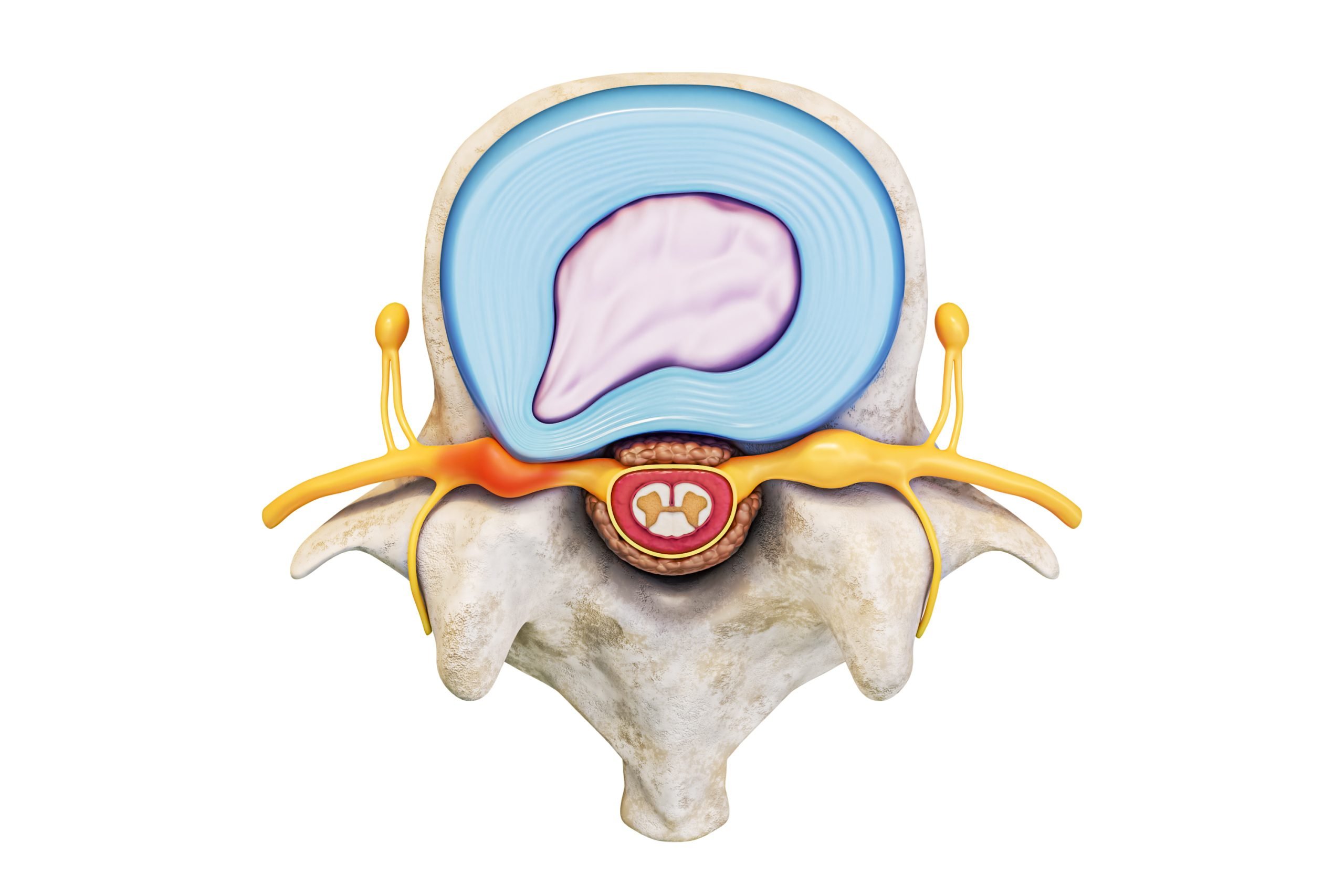
A pinched nerve happens when surrounding tissues, such as spinal joints, discs, muscles, or ligaments, put excessive pressure on a nerve. That pressure disrupts normal nerve communication and leads to pain, tingling, numbness, or weakness. It happens most often in the neck, where symptoms travel into the shoulder, arm, or hand, or in the lower back, where they radiate into the hip, leg, or foot.
You may hear terms like sciatica or radiculopathy, but at its core the issue is nerve irritation that needs to be properly addressed. At Cavanaugh Chiropractic in Lafayette, we regularly help patients calm that irritation and get back to sleeping, working, and moving comfortably, in many cases without surgery.
Signs you might have a pinched nerve.
A pinched nerve does not feel the same for everyone, but the pattern is telling. Common signs include:
Don't wait
The sooner we get to the root of it, the better your outcome, early care makes a real difference.
How Cavanaugh Chiropractic can help.
Rest and medication may calm the symptoms for a while, but they do not correct the mechanical problem irritating the nerve. We focus on restoring movement and reducing pressure where it matters. Your plan may include:
Restoring joint motion
When spinal joints are not moving well, they add to nerve irritation. Specific adjustments restore motion and reduce stress around the nerve.
Reducing pressure
If a disc is involved, gentle techniques such as spinal decompression create space in the spine and let the nerve calm down.
Addressing muscle imbalances
Tight, overactive muscles increase compression, so we combine soft tissue work, stretching, and corrective exercises to ease tension.
Supporting long-term results
Once symptoms improve, strengthening and posture correction help make sure the same issue does not return.
You don't have to push through the pain.
The sooner we address it, the sooner you're back to feeling your best.
How can we help?
Ready to take the next step?
We're focused on helping you move better, feel stronger, and stay active. Let's get to the root of the issue and build a plan that helps you heal.
Phone
Mon
Morning7:30–12:00
Afternoon2:00–6:00
Tue
Morning7:30–12:00
Afternoon2:00–4:00
Wed
Morning7:30–12:00
Afternoon2:00–6:00
Thu
Morning7:30–12:00
Afternoon2:00–4:00
Fri
Morning7:30–12:00
AfternoonClosed
Ready to start feeling better?
Take the first step towards lasting relief. We're ready when you're ready.
Schedule an Appointment